
Heritage and Culture
-
![]()
The Burke Museum & Historic Precinct
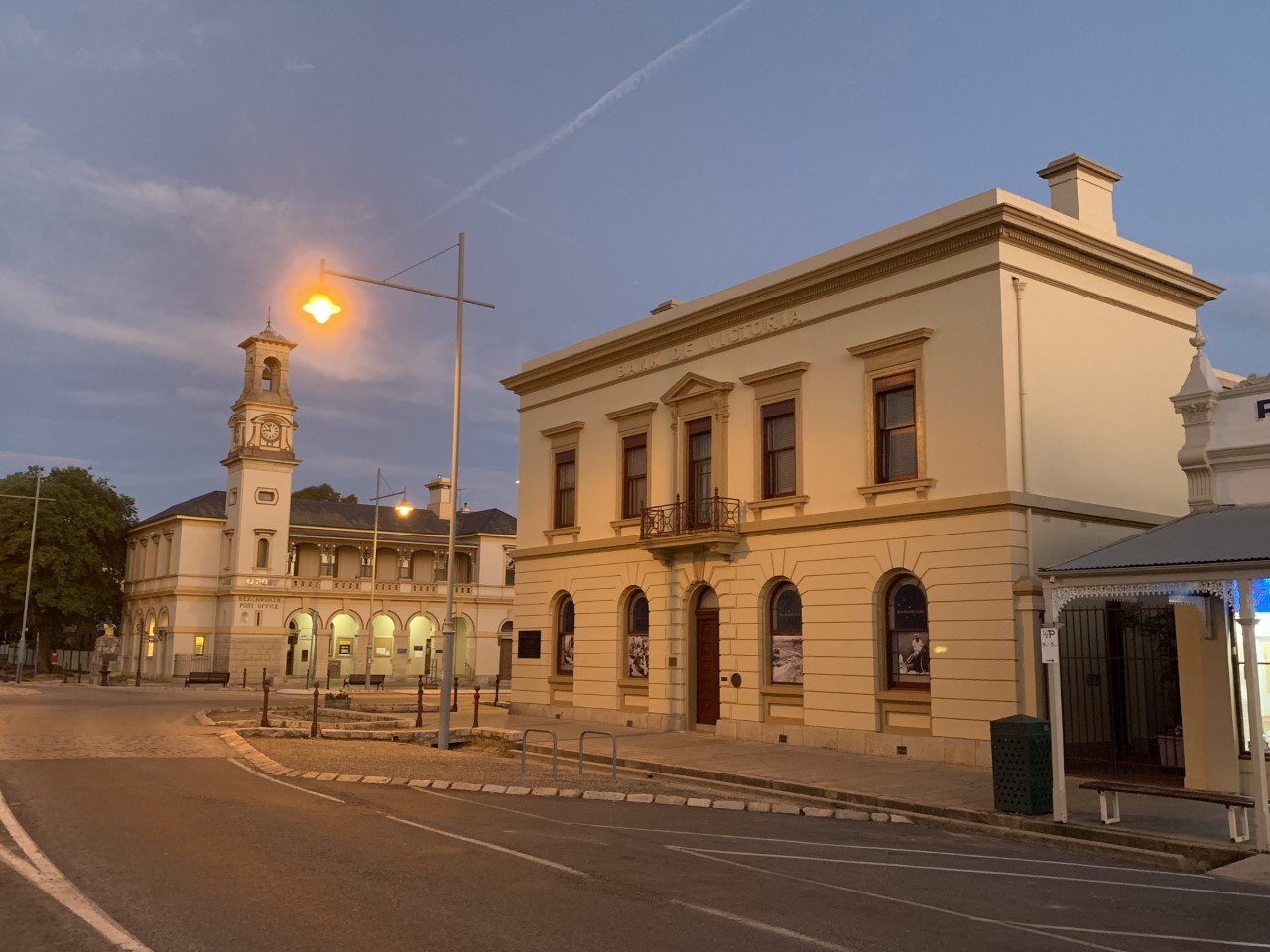
There are few towns so beautifully preserved as Beechworth. With her deep stone gutters and charming little shops - many with an almost identical facade to that of the Gold Rush days, the allure of Beechworth undoubtedly lies in her tangible history.
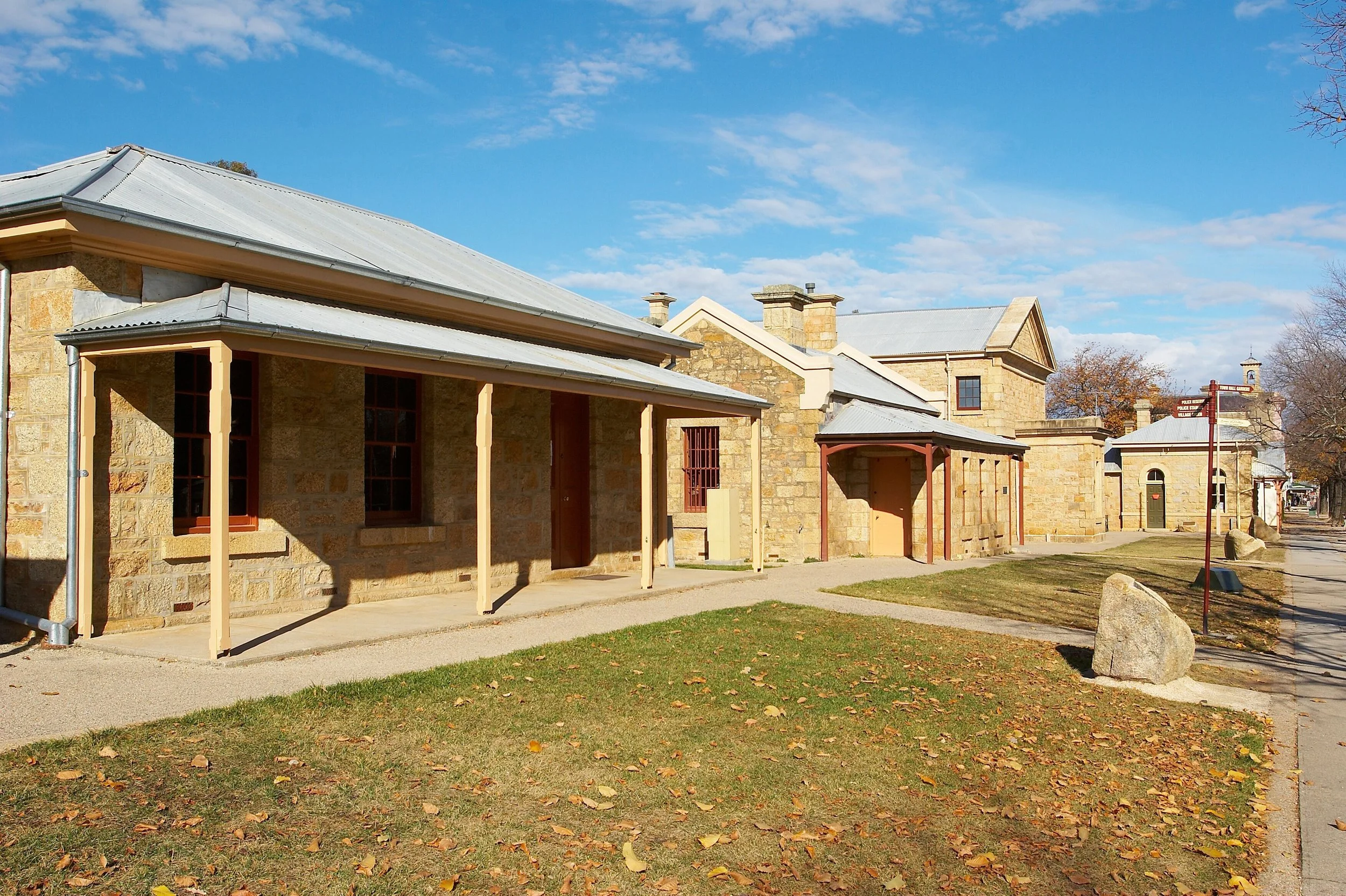
The Beechworth Historic Precinct consists of the Burke Museum, Courthouse, Telegraph Station, Powder Magazine and Sub-Treasury Building. Each building has a story to tell, with its contents adding layer upon layer of fascinating detail on subjects such as Ned Kelly, the Gold Rush, the town itself and the colourful people who called it home.
Stone walls that have watched over 160 years pass are a marvel in themselves, demonstrating the hope once had for the town to become a powerful, wealthy and influential place for far longer than the intense but short lived spurt she did.
The Burke Museum and Historic Precinct are the heart of historic Beechworth, carefully curated to tell the stories that made this town famous. Visit the 'Street of Shops' at the Burke Museum and walk the streets of Beechworth in the 1850s, sit in the judge's chair in the Courthouse and look to the dock where the first woman ever hanged in Australia was trialed.
Please note that the Sub-Treasury Building and Powder Magazine are currently closed.
-
![]()
The Old Courthouse
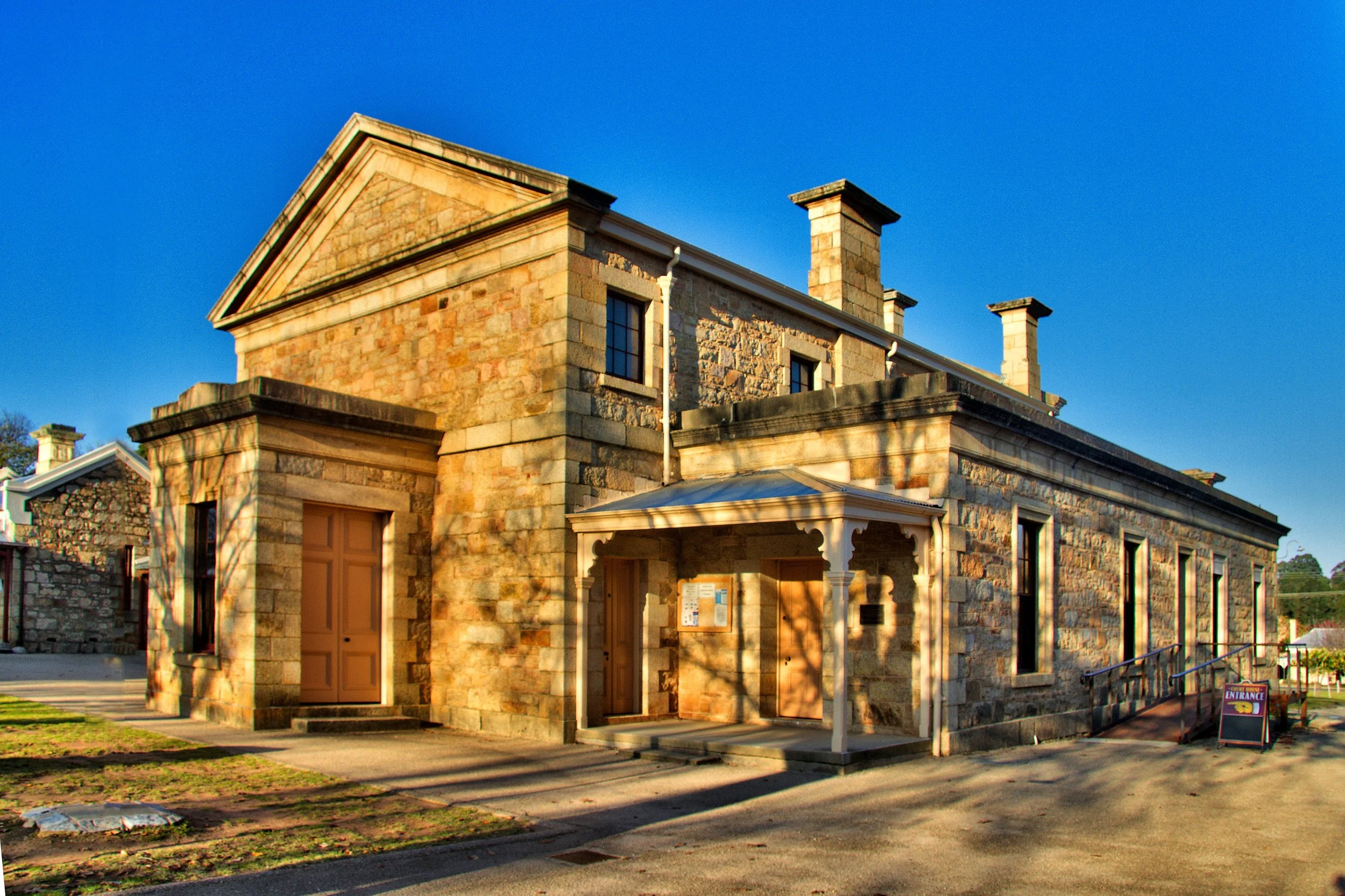
Upon entering the Beechworth Historic Courthouse the sheer history held between perfectly preserved sandstone walls hits you like an unexpected wave. The belly of the courthouse is airy, towering and grand, somewhat intimidating, evoking thoughts of the many souls that have passed through the building - on both sides of the law. For history buffs, the feeling you get when running your hands along the rock solid red wood of the jury stand, locking eyes directly on the dock where Ned Kelly once stood, is simply exhilarating!
Built is 1858 and in continuous service for 131 years the Court House has many stories to tell.
Aside from amazing true stories, the Beechworth Historic Courthouse also offers an outstanding law library containing many rare books in the collection and reenactments with school groups. Here you can bring history to life and give children the opportunity to literally sit in the judges chair (complete with wig and gavel), read from scripts and reenact some of the most notorious cases in the court’s history.
Make the Beechworth Historic Courthouse your first stop in the Historic Precinct trail.
-
![]()
Ned Kelly Experience
Ned Kelly is probably the most famous bush ranger connected with Beechworth. Early records show in 1870 Ned aged 16 stood trial on a minor charge and served six months at Beechworth Gaol. In 1878 his mother, son-in-law Skillon and another man were arrested and placed in jail pending trial for attempted murder of Constable Fitzpatrick. She was given three years' hard labour, considered by some to be extremely harsh.
Following a raid at Jerilderie, the Kelly Gang 'disappeared' for about sixteen months. During this time the police arrested 22 Kelly 'sympathisers', who were held for about four months before being released for lack of evidence. Feelings ran high and the Gaol's old wooden gates were replaced by the present iron ones because authorities feared an organised attempt to free the sympathisers.
After the famous 'shootout' at Glenrowan, a wounded Ned was taken to Benalla, then to Melbourne Gaol Hospital. In August 1880, he was returned to Beechworth for his preliminary trial for the murder of Constable Lonigan. He was remanded and returned to the Central Criminal Court in Melbourne.
-
![]()
The Former Ovens and District Hospital Facade
The Former Ovens District Hospital was built on this site in stages from 1856, and operated until 1940. The first building, designed by J H Dobbyn and built in 1856-57, had two wards accommodating 20 patients. It was then the only hospital between Melbourne and Goulburn in New South Wales, and received patients from all of north-east Victoria. The hospital cared mainly for those who could not afford to consult doctors. A new two-storey wing which doubled the size of the hospital was added in 1858, and another wing was added in 1861. In 1862-63 the earlier buildings were united behind a grand new classical facade. Another new ward was built in 1871, a Chinese ward was added in 1883 and an isolation ward, designed by D Fiddes, was built in 1890. In 1874 the gardens were laid out by R H Jenkyns and planted with over 200 species of trees, including fruit trees, and shrubs, as well as vegetable and flower gardens. During the early twentieth century, with the construction of new hospitals in nearby towns, the importance of the Ovens District hospital declined, and it closed in 1940. The buildings were demolished in the same year, with only the front facade and the gardens retained.
-
![]()
Chinese Heritage
The 1850's gold rush saw many Chinese diggers converge on Beechworth seeking their fortune. Mining camps sprang up as gold was discovered in Spring Creek, Reedy Creek, Silver Creek and Nine Mile Creek and the Woolshed Valley. At the height of the ovens Goldfields rush, the Chinese population in Beechworth had grown to 7,000 out of a total population of 30,000 to 40,000. Many of the Chinese were employed by sluicing companies, while others worked their own small claims. The town had a permanent Chinese camp, temple, shops and burial ground with the distinctive burning towers which can still be seen today at the Beechworth Cemetery where some 2000 Chinese were buried.
Colonial prejudice meant that the Chinese were not allowed to live in Beechworth and had large camps on the outskirts of town. There were many additional controls, enforced regulations and licence checks against the Chinese miners with anti-Chinese sentiment widespread during the 1850's Gold Rush.
-
![]()
Yeddonba Aboriginal Cultural Site
Currently closed due to safety until further notice.The Yeddonba Aboriginal Cultural Site is located at the base of Mt. Pilot, in the Chiltern-Mt Pilot National Part, approximately 20 minutes drive from Beechworth.
Considered a sacred site amongst local indigenous people, the Yeddonba Aboriginal Cultural Site illustrates the art of the Dhudhuroa people, the dominant indigenous clan of the area and a sub-clan of the Pangarang people of the Goulburn Valley. The base of Mt Pilot was used by these clans, along with the Quat Quatta and Minjambutta clans as a spiritual and ceremonial site. The Yeddonba site boasts many significant areas including a rock shelter and bush tucker area. The site is of particular archaeological importance as it features an Aboriginal red-ochre painting, which is believed to be of a Tasmanian tiger (thylacine), supporting the belief that the animal once inhabited the mainland. The thylacine, along with the goanna and snake, were the spirit animals of the local clans with the site serving as an important ritual location for the clan leaders.
-
![]()
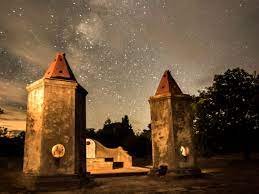
Chinese Burning Towers
The Burning Towers at the Beechworth Cemetery were built in 1857, and were used by relatives and friends for burning paper money, prayers and meals were provided on the alter (1883) for the spirit of the dead. The shrine in front of the Burning Towers was not built until 1883-84.
A memorial in recognition and remembrance of the Chinese contribution to society in Australia was erected in the Chinese Section in 2010
-
![]()
Beechworth Chinese Gardens
Beechworth Chinese Gardens
The Beechworth Chinese Gardens are a short walk from the Beechworth Post Office and they are open 7days a week.
The Beechworth Chinese Gardens were planned to celebrate Beechworth’s Chinese Heritage. They are a place for people to sit, read and enjoy the surrounds. These gardens have been designed using the principle of Feng Shui living in harmony with the surrounds. The gardens, are an ongoing community project initiated by The North East Branch of the Australia-China Friendship Society in 1998.
Today the Beechworth Chinese Cultural Centre and Garden Inc coordinate and support the management and the Development of the gardens through grants and festivals with support from Indigo Shire Council and the Lake Sambell Committee of Management.



Some excerpt were provided by Indigo Shire Council